
A definitive nutrient guide for the modern man.
Understanding the specific vitamins and minerals required for male physiological maintenance is the first step toward sustained vitality. We strip away the noise to provide high-signal data on how micronutrients support your daily metabolic and structural health.

Foundational Vitamins & Male Physiology
Vitamins are the organic catalysts for nearly every chemical reaction in the body. For men, specific focus on lipid-soluble and water-soluble compounds ensures better energy management and structural integrity.
Vitamin D (Cholecalciferol)
Actually a pro-hormone, Vitamin D is paramount for calcium absorption and skeletal strength. It supports normal immune function and plays a significant role in maintaining muscle efficiency.
Vitamin B12 (Cobalamin)
Essential for red blood cell formation and DNA synthesis. In men, adequate B12 levels are a primary driver for neurological health and steady cognitive focus throughout the day.
Vitamin K2 (Menaquinone)
K2 works in tandem with Vitamin D to direct calcium into the bones and teeth while keeping it out of the arteries, making it a critical nutrient for long-term cardiovascular support.
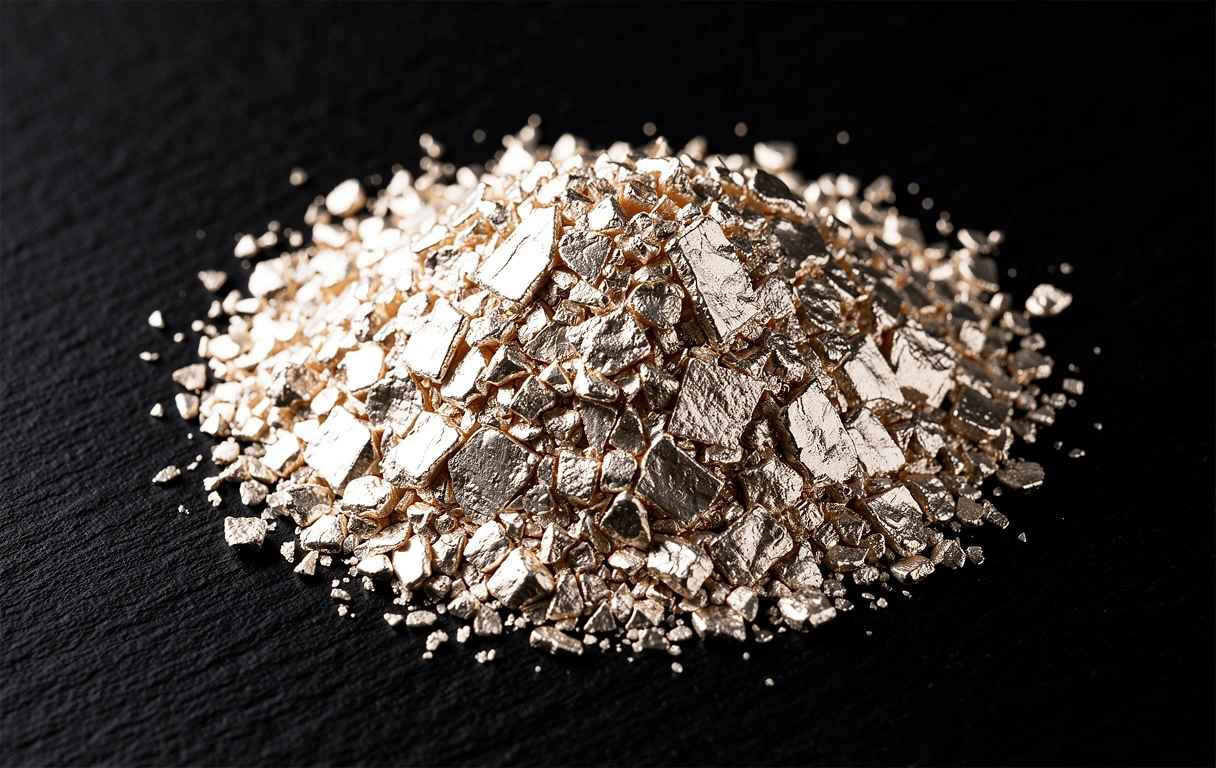
The Mineral Directory
Minerals are the structural hardware of the body. Unlike vitamins, these are inorganic elements that must be sourced through soil-enriched foods or specific supplementation to maintain enzymatic balance.
Magnesium
Involved in over 300 biochemical reactions, it is fundamental for muscle relaxation, sleep quality, and the synthesis of ATP (cellular energy).
Zinc
A key component for protein synthesis and immune cell development. It is often the most overlooked mineral for maintaining skin health and metabolic rate.
Selenium
A powerful antioxidant mineral that protects cells from oxidative stress and is crucial for thyroid hormone metabolism.
Beyond the Basics: Metabolic Cofactors
Complex nutrients that work as catalysts for energy production and system balance.
Omega-3 Fatty Acids (EPA/DHA)
While not a vitamin, these essential fats are critical for cellular membrane health and reducing inflammation. They are a primary pillar in our nutrient guide due to their impact on cardiovascular efficiency and mental clarity.
Coenzyme Q10 (Ubiquinol)
A naturally occurring compound that helps generate energy in your cells. Ubiquinol levels naturally decrease with age, making it an important focus for maintaining cardiac energy and overall stamina.
Refining Your Sourcing Strategy
A balanced diet is the cornerstone of micronutrient intake. However, soil depletion and lifestyle factors often create gaps that strategic supplementation must fill.
Whole Food First
Prioritize nutrient-dense greens, lean proteins, and complex carbohydrates to provide the base mineral load required for metabolism.
Bioavailability
Consider the form of the nutrient. For example, Magnesium Glycinate is typically absorbed more efficiently than Oxide forms during resting periods.
Consistency
Micronutrients work through accumulation and constant availability. Establish a daily rhythm to ensure your physiological storage remains optimal.
Ready to balance your lifestyle?
Our nutrient guide is just one component of well-being. Explore how lifestyle adjustments and physical activity synergize with your nutritional intake.